Losing baby teeth is a natural process that all children in elementary school experience. For your little ones, the experience can be exciting and even a little bit scary. It's important to take steps to ensure they're prepared for that first loose tooth and the ones that follow.
To guide you along your children's tooth-loss journey, our friendly teammates at Risas Dental have created this helpful article. Learn about everything from loose teeth timelines to how to prepare for your child's permanent teeth.
The Timeline for Losing Baby Teeth
The general timeline for losing baby teeth is between the ages of 6 and 13, but some children start to lose teeth as early as 5 years old. Others may not lose their first tooth until age 7. Additionally, girls tend to start losing their teeth earlier than boys. In most cases, the two top front teeth and two bottom front teeth are the first baby teeth that come in, as well as the first to fall out. It's important to remember that the specific timing and order of primary tooth eruption can vary from child to child. If your child starts to lose their baby teeth outside the average timeline or if they lose their bottom teeth before their top teeth (or vice versa), there's usually no need to worry.
How Can I Prepare for My Child’s First Loose Tooth?
Knowing what to expect when it comes to your little one's first loose tooth can help ensure you're prepared for the big day. Early signs of a loose tooth include a wobbly feeling when you apply gentle pressure to the tooth or when your child wiggles it with their tongue. You may also notice slight swelling or a bit of blood on the gums as the tooth becomes looser in the socket. Ice can ease minor pain and swelling, and rinsing with warm salt water can help soothe irritated gum tissues.
If your child is concerned about having a loose tooth, you can ease their mind by assuring them that the process is totally normal and all kids experience loose teeth and tooth loss. This is also a great time to teach your child the importance of practicing good dental hygiene.
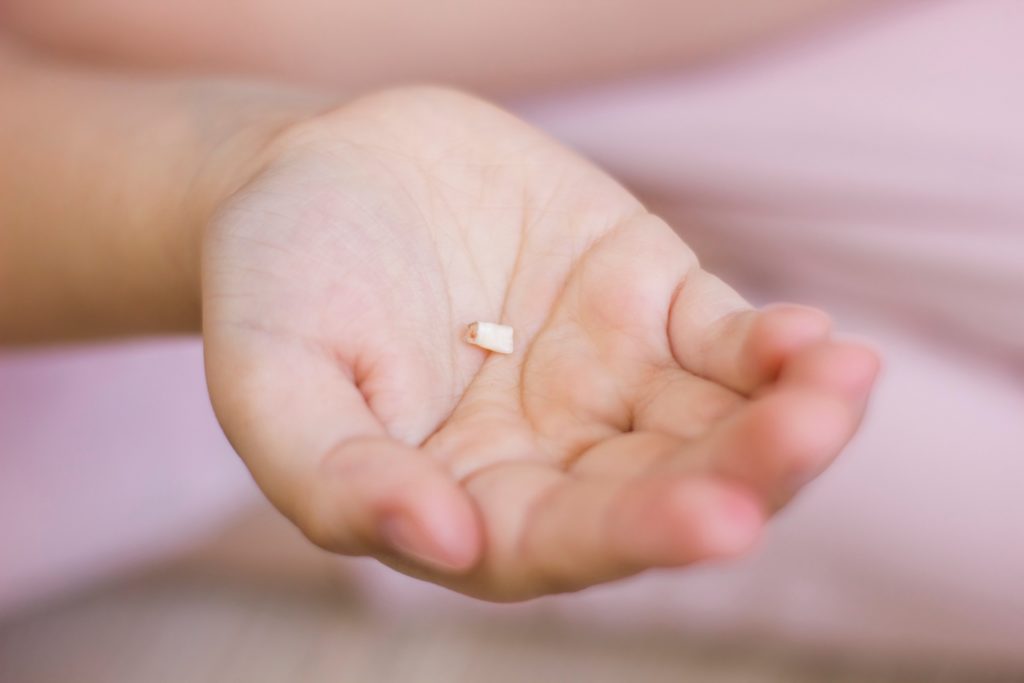
When Do Kids Get Adult Teeth?
Adult teeth or permanent teeth usually begin to grow around age 6 or 7 in most children. First and second molars typically erupt between ages 7 and 13, while premolars normally develop between ages 10 and 12. Third molars, or wisdom teeth, generally grow between ages 17 and 21 — but the timeline for all permanent teeth can vary. Some children start losing their teeth at age 5, for example, which can lead to an earlier eruption of permanent teeth.
Tips for Handling Loose Teeth and Preparing for Permanent Teeth
A loose tooth is a wonderful rite of passage for your little one, as it lets them know they're on their way to becoming a big kid. Plus, who doesn't love a visit from the tooth fairy? Here are some helpful tips on how to handle your child's loose teeth and prepare for their permanent teeth:
- Don't attempt to pull a loose tooth unless there are clear signs that it's ready to come out. Pulling a tooth out before it's ready to fall out naturally can lead to gum irritation, bleeding, and unnecessary pain.
- Use ice packs to soothe swollen or sore areas. This tip is good for loose teeth and incoming teeth. Loose teeth can sometimes cause slight inflammation and bleeding. The same goes for permanent teeth that are growing. Ice cubes wrapped in paper towels, gel ice packs, and even popsicles can help soothe sore gums.
- Serve your child soft foods when they have loose teeth and when you notice signs of permanent teeth erupting through the gums. Loose teeth can make it difficult to bite into hard foods and biting down on erupting teeth can be painful. Soft foods such as applesauce, yogurt, and mashed potatoes are both packed with nutrition and easy on the teeth and gums.
- Contact your pediatric dentist if your child is in pain or there are signs of infection. Most of the time, loose teeth and incoming permanent teeth don't cause problems but it's important to schedule a dentist appointment if you notice anything unusual, such as excessive bleeding or severe swelling of the gums.
What Is a Pediatric Dentist?
A pediatric dentist specializes in treating infants, children, and teenagers. Pediatric dentists are specifically trained in diagnosing and treating dental issues that are unique to children, and they complete educational programs in which they learn how to provide gentle care. Many pediatric dentists also specialize in orthodontics, and they generally treat children until they reach 18 years of age.
If it's time for your little one's first dental visit or if your school-aged child is starting to lose their baby teeth, we're here for you. Risas Dental offers affordable dental services for the family. Find a location near you to get started with quality dental care today.
Frequently Asked Questions
Baby teeth usually begin to come in around 6 months of age. However, specific development times can vary. Your infant may be born with some of their baby teeth, or they may start teething around 4 months of age.
Most of the time, it's perfectly okay to gently wiggle a loose baby tooth if the tooth is clearly ready to come out. Dentists also advise parents to encourage their children to wiggle loose baby teeth with their tongues or with clean fingers to help speed up the process.
Children typically start losing their baby teeth between the ages of 5 and 6 years old, so 5 years old is considered normal. However, some children may begin losing their primary teeth as young as 4 years old — or they may not lose their first teeth until age 7.
Most of the time, losing a baby's tooth is a painless process. Still, your little one may experience minor bleeding and gum swelling after the tooth falls out. If your child is in pain before or after a baby's tooth falls out or if they have any other unusual symptoms, make sure to follow up with your pediatric dentist.
It is very common to hear dentists or other people talk about different foods you should avoid in order to keep your teeth as healthy as possible. However, did you know there are also some foods that you should add or increase to your diet that can actually help improve your oral health?
Sucking is a normal and important habit that helps babies learn to eat and drink and can also serve as a calming effect. However, if it keeps going on for too long
It is well-known that the best and most effective way to keep up with our oral health is a daily routine that includes brushing and flossing at least twice a day. But how can you know if you are using the best dental tools for this?
Are you thinking about sedation for your child’s dental treatment? Dental sedation is often very helpful for children that are apprehensive or anxious about dental treatment. It is also very effective in preventing dental-related trauma later in life.