In the past, braces were fairly simple. They were usually made up of plain silver metals, and patients didn't have much say in how they looked. Nowadays, getting braces is a fun and creative experience. The brackets that make up braces have elastic ligatures, or rubber bands, that come in all sorts of colors. Patients can choose anything they want from light, eye-catching colors to dark, discreet shades.
With so many options, deciding on a single color can be difficult. Ultimately, you want something that suits your unique personality while also making your teeth shine brighter. Let's take a closer look at the available colors and how to pick the right color for you.
What Color Braces Are Available?
When it comes to braces colors, the sky’s the limit. You'll find everything from white and clear elastic bands to striking black and brown bands. In between these two extremes are all the colors of the rainbow, from purple and blue to red and yellow. You can settle on a single color or combine a few — most patients choose between one and two colors.
Many orthodontists offer a color wheel to help patients imagine their braces. This tool shows all of the available colors and helps patients to see the differences between hues. If you're interested in blue braces, for example, the color wheel can help you pinpoint the exact shade of blue you're looking for.
How Often Can I Change My Braces Color?
If you're worried about picking the right braces color, you may be relieved to learn that it's just a temporary decision. Your orthodontist can change out the rubber bands during your adjustment appointment, which generally occurs every 8 to 12 weeks. If you find a color you really like, you can also ask for the same one each time.

What Braces Color Is Right For Me?
There's no single answer to the question, "What color braces should I get?" Instead, the answer depends entirely on what you're looking for. Here are a few factors you could base your decision on.
1) Personal Preferences
The most straightforward way to choose a color is by simply selecting what you like. This could be your favorite color, a popular color combination, or something meaningful to you such as your school or alma mater colors. You should also consider the type of look you're trying to achieve. If you're going for an upbeat look, for example, stick with light, cheerful colors like pink, orange, or red. If you want a more laid-back vibe, cool colors like dark blue, lavender, and silver work well.
2) Seasonal Events/Themes
If you can't settle on a single color, consider changing things up based on the time of year. Are you trying to be festive this holiday season? Go for Christmas colors and get red and green rubber bands. Do you want to flaunt your spooky side for Halloween? Black and orange bands are the way to go. In addition to picking seasonal colors, you could adjust based on events in your life. If you have a sports game coming up, for example, you could pick bands that match your team's colors.
3) Physical Appearance
A great way to figure out the best color for you is by using your appearance. Start by picking a physical feature, then think about which colors go well with that feature. Here are a few starting points to base your braces color on:
- Skin tone. Darker skin tones tend to go well with bright jewel tones, like emerald green, ruby red, and violet. Lighter skin tones match cooler colors like light blue and green.
- Eye color. If you have brown eyes, earthy colors such as blue and green are a great choice. For lighter eyes, you'll want bright colors that can make them pop. Lilac, light blue, and pink tend to go well with lighter eye colors.
- Hair color. As with skin tones, dark hair goes well with bolder jewel tones. In contrast, light blonde hair suits cooler colors.
A helpful way to identify a complementary color is by using a braces color wheel. Start by choosing a certain physical feature, then locate its color on the wheel. Once you've found it, go to the matching color on the opposite side of the wheel. Whatever this color is, it should accentuate your chosen feature. If your dentist does not have a traditional color wheel, you can find one online.
How Bands Can Make Your Smile Look Whiter
Along with considering your general physical appearance, it's important to think about the appearance of your teeth. A common question that many patients ask is: what color braces make my teeth look whiter? If you're interested in whiter teeth, a dark color is the way to go. Darker colors, such as navy blue, dark purple, and black, provide a nice contrast to the natural whiteness of your teeth. This will make your teeth seem even brighter than they are.
What Braces Colors Make Your Teeth Look Yellow?
While some colors can help your teeth seem whiter, others can actually make your teeth look yellow. For example, clear and white braces can become discolored over time, causing a yellow appearance. Yellow and gold braces can look like stains or discoloration, so you probably want to avoid those colors.

What to Keep In Mind When Picking the Colors of Braces
Here are a few general tips to keep in mind when trying to find the best braces color:
- Avoid natural-looking colors. Try to avoid natural-looking bands that resemble food. Colors like brown and dark green can make it seem like you have meat or spinach stuck in your teeth.
- Follow good oral health habits. While going for a dark color can help your teeth appear more white, the best way to maintain a bright smile is through proper oral hygiene. Regular brushing and flossing will help prevent unwanted tooth discoloration.
- Get creative. Colored braces are a great way to show off your creativity. Don't be afraid to experiment with different colors and try something new during your next appointment!
Along with picking a good color, it's important to work with a reputable team. At Risas Dental, we always put patients first. Whether you're trying to make your teeth seem whiter or need advice on a color combination for your child, you can count on us for expert advice.
Frequently Asked Questions
The most popular colors for braces vary depending on age and gender. Adults tend to go for more discreet options, like white and clear braces. On the other hand, children often pick colorful braces. Some prefer pink or light blue, while others choose darker colors like deep red and navy blue.
If you want to maintain a professional look, try to avoid braces colors that are too bright (such as hot pink or light purple). Many working adults opt for neutral colors, like silver or white. Dark tones also provide a professional look and have the added bonus of making your teeth look whiter.
While braces are usually the recommended option for children, adults may use an alternative, such as clear aligners. Unlike braces that use metal/porcelain, wires, and rubber bands, aligners are made of plastic. Customized to fit your mouth, they gently move teeth over time. As long as your teeth are not too crooked, aligners are generally a viable option. But because they don't use elastics, you can't change the color — they're always clear.
Answering the question "what color braces should I get?" is no easy feat. If you still need guidance, our teammates are happy to help! We'll walk you through your options, answer any questions, and recommend a color that best suits your needs. Our dedicated bilingual team, affordable plans, and patient-first mentality helps us stand out from the crowd.
Did you know 92% of Americans would consider delaying dental care due to cost, and one in five skip it entirely? As financial pressures grow, demand and cost for braces are rising, but many households are putting off non-urgent dental treatments.
That’s why Risas Dental is stepping in to bridge that gap, making orthodontic care truly accessible for every patient, regardless of background.
To better understand how access and affordability are reshaping orthodontic demand, we analyzed data revealing who is getting braces, how they’re affording it, and why more adults in Arizona, Colorado, Texas, and Nevada are choosing treatment.
Who is getting braces in 2026?
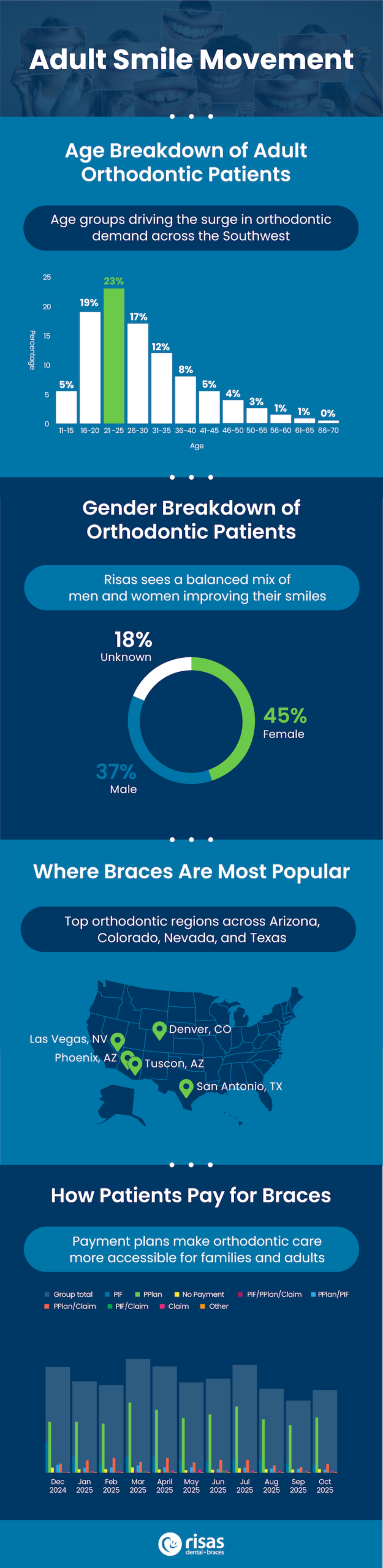
There is an upward trend among adults aged 25-45 choosing orthodontic treatment, driven by cost accessibility, a renewed focus on appearance, and functional dental benefits. Those aged 21-35 make up 50% of all orthodontic patients.
Our dental data found that women are slightly more likely than men to pursue orthodontic treatment, but the percentage difference is slim, suggesting that overall the audience is gender-balanced.
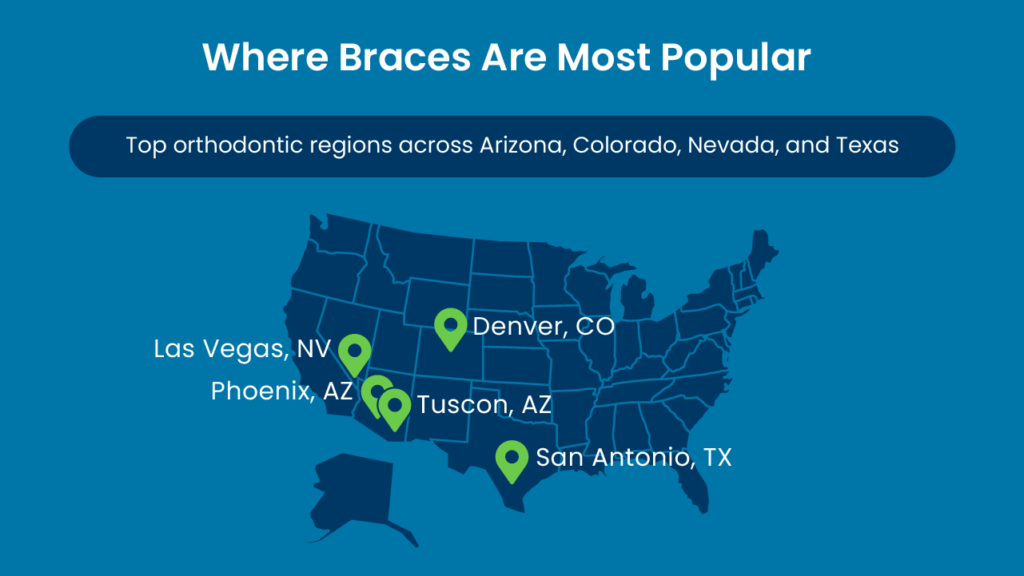
The top-performing regions for orthodontics are Phoenix, Denver, Tucson, Las Vegas, and San Antonio. Specifically, Aurora North saw the highest number of procedures compared to other cities, with well over 1,000. South Tucson saw 750, followed by Federal Heights.
So, if the demand for braces is rising, yet the percentage of Americans delaying or skipping dental care is huge, how are people affording it?
At Risas Dental, we offer several payment options to choose from, making dental care more affordable. Most of our patients select our payment plans to help spread the cost over weeks or months, making dental costs much more accessible for families and adults in 2026.
Risas dental care standards
There are many reasons someone may need braces, from improved oral health and reduced jaw pain to better confidence and self-image.
To highlight a few more reasons why people are prioritizing braces in 2026, we asked real patients how braces helped them.
Life-saving braces intervention
In El Mirage, we’ll never forget this incredible story of when a child needed an emergency dentist in Phoenix after a dangerous accident.
“My daughter had a serious scooter accident… her two front teeth suffered 50–75% avulsion, but her braces kept them in place. I contacted 20+ dental clinics, and no one would help. Risas Dental acted immediately and likely saved my daughter’s teeth. Their staff was exceptional, attentive, compassionate, and highly professional.”
Braces can be instrumental in urgent care needs and can have life-changing impacts on patients.
Same-day affordable braces
Risas strives towards being affordable and accessible to all families, so when Megan needed a dentist in South Tucson, she was in safe hands with us.
“Dr. Hooper and Dr. Hobson were great! They got my daughter’s braces on the same day as her cleaning. The team walked us through every step, and it was very affordable. Overall, a wonderful experience!”
Long-term transformation journey
Stephanie went to a dentist in Phoenix for braces, and the journey led her to renewed confidence and better dental health. She said,
“I was recommended to come here for my orthodontic journey, and I’m glad I did! I just got my braces off, and I’m happy with my results. Dr. Piekarsky was the best. He kept me informed throughout the whole process.”
Improving your oral health as an adult
We asked a Risas Dental spokesperson what they made of our findings.
“It’s never too late to improve your oral health. More adults are choosing braces now than ever before because they understand orthodontics goes beyond aesthetics. Straightening teeth and bite alignment can not only enhance confidence but also improve digestion, reduce jaw pain, improve speech, and protect against long-term issues like gum disease and tooth decay.
“At Risas Dental, we’re committed to making those benefits accessible to every patient. We offer two orthodontic options to meet different needs. Our easy-maintenance metal braces are a budget-friendly choice for the entire family, or we often recommend our ceramic braces for adults looking for a more subtle way to enhance their smile.”
Book a consultation with Risas today
If you’re ready to take the leap and improve your oral health, our team is here every step of the way. Risas Dental has trusted clinicians across the Southwest, making it simple to access the care you need, whether that’s orthodontics, routine dentistry, or urgent support
From finding an emergency dentist in San Antonio to visiting a dentist in Denver, or scheduling with an implant dentist in Las Vegas, our clinics are ready to give you affordable, patient-first care wherever you are.
When it comes to your smile, there’s no better time to start. Book your orthodontic consultation today.
All the above data was provided to C3 by Risas Dental and Braces' internal data team and is correct as of November 2025.
The state of children’s oral health
Many of the most common oral health issues begin at home, specifically with childhood habits. Poor routines developed early can lead to long-term dental issues, from cavities and gum disease to confidence issues and costly treatments.
So, how often are kids really brushing? Are trips to the dentist a regular occurrence? And how confident do parents feel about teaching their children the right oral hygiene techniques?
To find out, the team at Risas Dental conducted a survey of 1,500 parents to uncover the current state of children’s oral health. From brushing battles to sugar struggles, the results reveal what’s really going on when it comes to oral hygiene in American households.
Brushing battles & bathroom routines
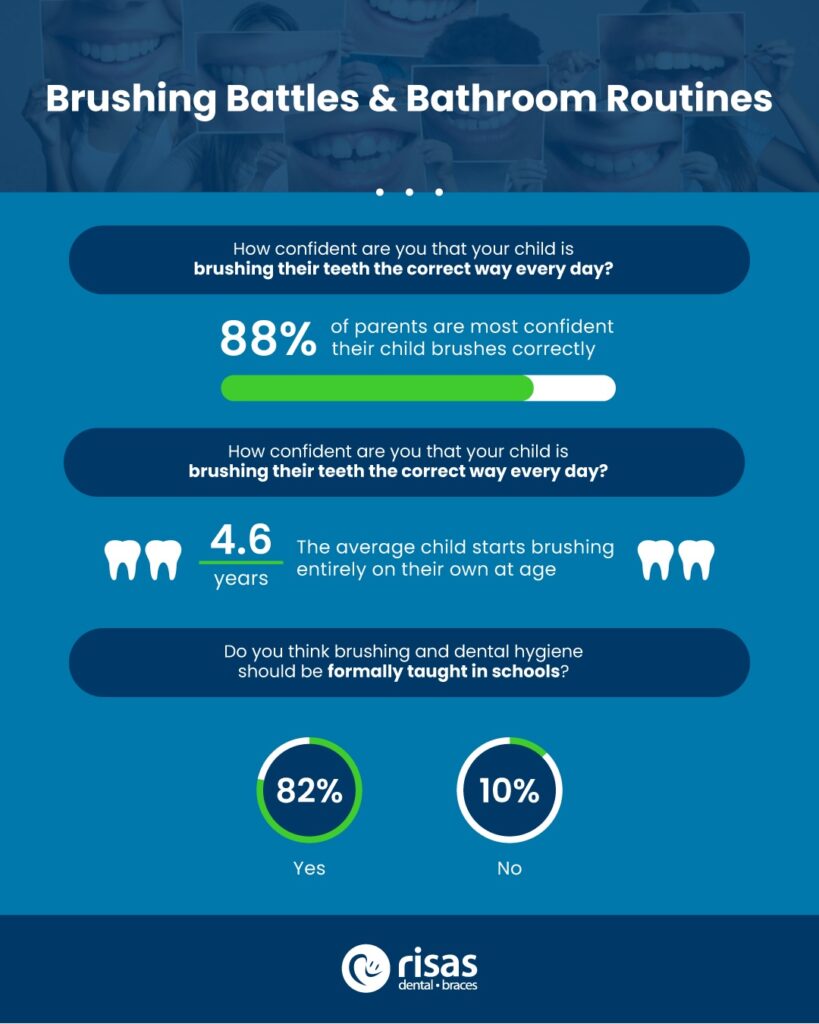
When it comes to their children’s dental hygiene, most parents feel as though they have things under control. We found that 87% of parents are confident about family brushing habits, with just 9% expressing doubt. Confidence is the highest among parents with 1-2 children (86-88%), yet it dips to just 76% in families with four or more kids. This suggests that the more children in the home, the harder it might be for parents to keep tabs on everyone’s brushing routines.
Digging deeper, a quarter of parents admit that getting their kids to brush daily is a battle, with this struggle worsening in households with 3 or more children (where 37% often face resistance). Still, 28% of our participants revealed that their kids willingly brush on most days of the week.
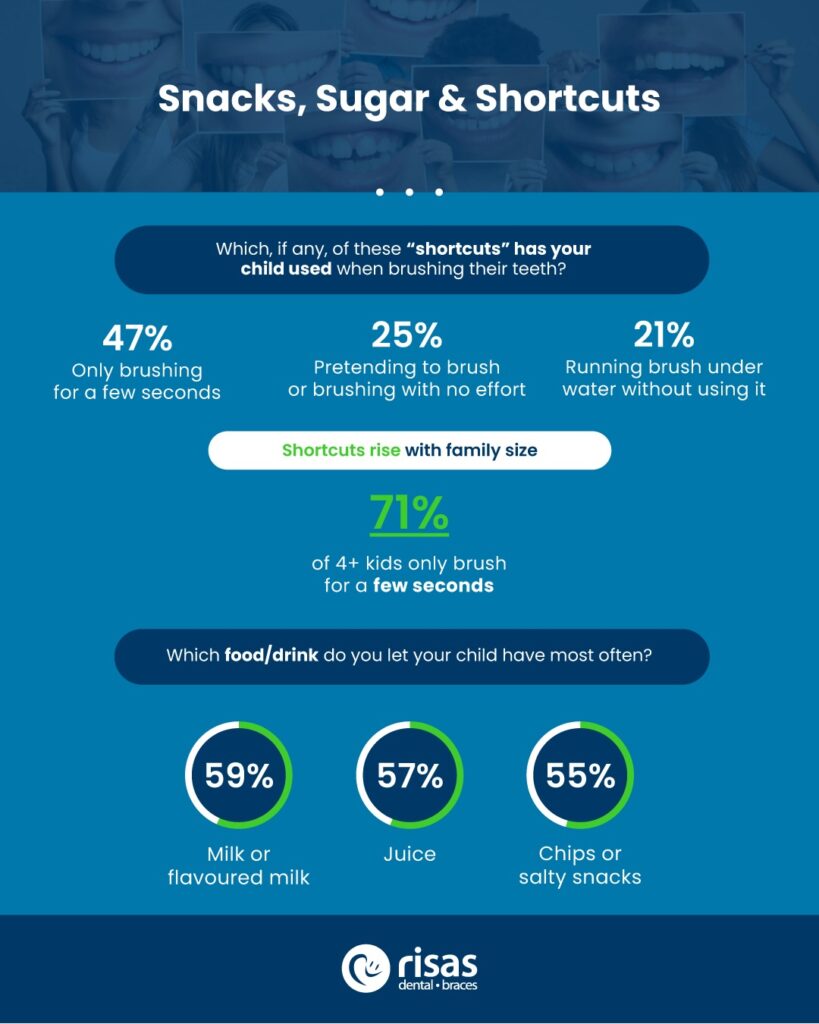
However, despite good intentions, 51% of children are finding ways to dodge brushing altogether. Nearly half (47%) are only brushing for a few seconds, 13% are skipping toothpaste, and 25% are pretending to brush. These behaviors become more common as family size increases, rising from 21% in a one-child family to 32% in a 3-child family.
Parental role modeling influences the hygiene habits children adopt too. We found that 59% of kids see their parents brush twice a day. Meanwhile, 23% see them brush once a day, and a smaller but still notable percentage (3%) never see their parents brush at all. On average, children are brushing independently at 4.36 years old, and in big families, solo brushing starts as young as 2.7 years.
We also found a strong desire among parents for schools to step in, with 87% believing that dental hygiene (particularly effective brushing) should be taught in the classroom.
Snacks, sugar & shortcuts
Diet plays a crucial role in oral hygiene too, and it appears that many children are being exposed to significant amounts of sugar.
We found that commonly consumed items include flavored milk (59%), juice (57%), and fruit snacks (51%). Almost half of those we surveyed said that their children consume ice cream and fast food regularly, too.
What’s more, parents with more children are more likely to allow sugary treats and drinks, with this combination of sugar and short brushing times putting children at a higher risk of issues down the line.
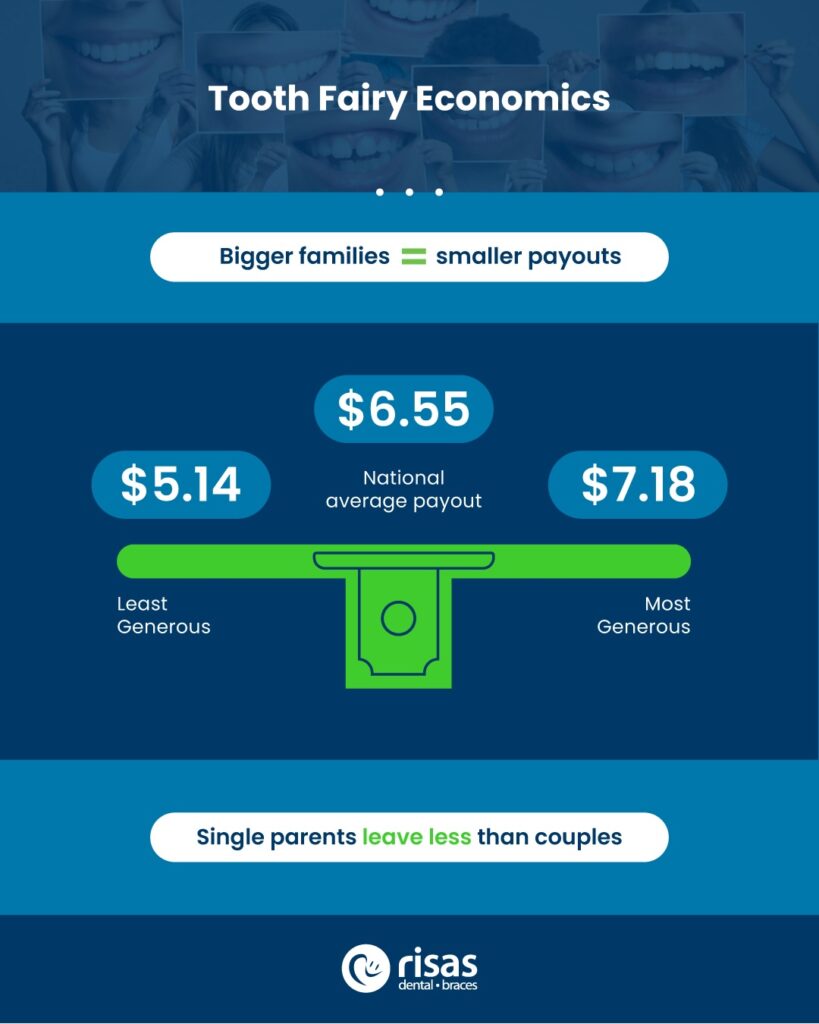
Tooth Fairy economics
While it might just seem like a fun tradition, the Tooth Fairy can offer an interesting glimpse into how families value and engage with their children’s oral health.
When asked about how much they typically leave under their kids’ pillow, the average stands at around $6.55, with 39% of parents leaving between $2–$5. Single parents tend to leave slightly less ($5.65), compared to couples ($7.02).
The most generous payouts come from two-child families (averaging $7.18 per tooth), while families with four or more kids leave an average of $5.14.
While the amount left doesn’t directly reflect brushing habits or tooth health, it does signal how families recognize dental milestones. A visit from the Tooth Fairy can be more than just exciting for kids, it can help build positive associations with taking care of their teeth.
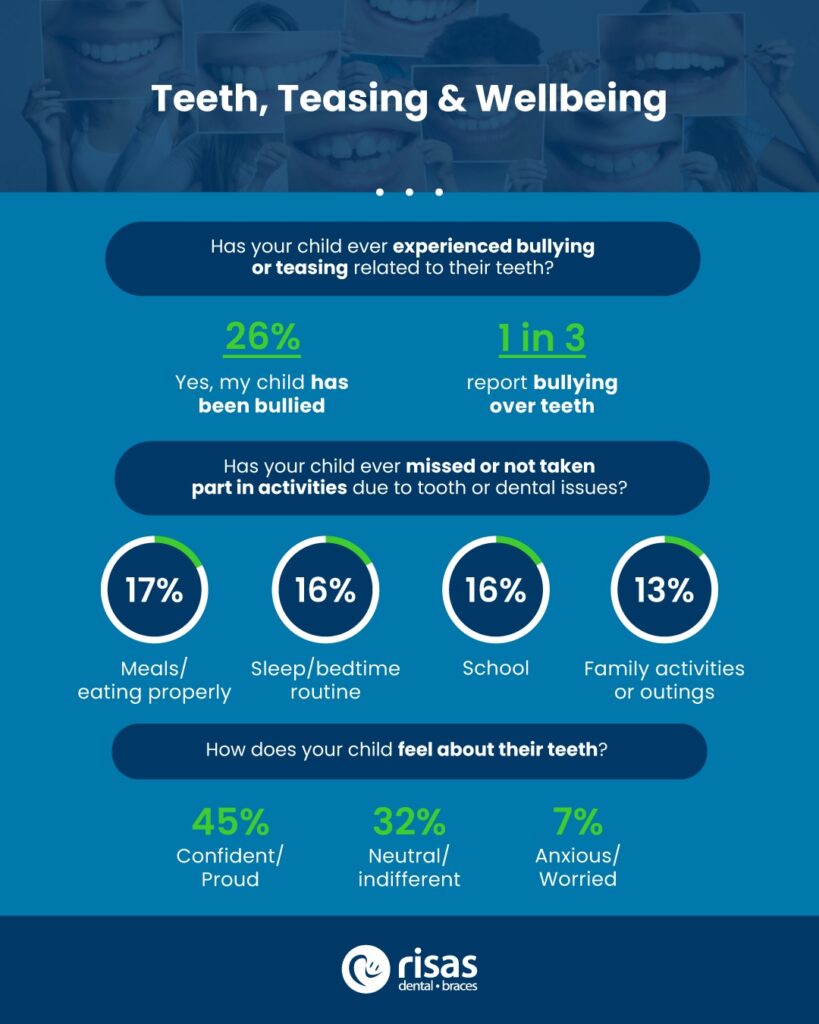
Teeth, teasing & well-being
Dental hygiene is important for more reasons than one. Inadequate care can lead to teasing and future confidence issues in children, with kids becoming sensitive about their teeth.
Our survey revealed that 26% of children have been teased about their teeth before, with this rising to 33% in 2-child families. We also found that many children are missing activities due to dental issues, including school (16%), sports (11%), and family events (13%). Missing meals (17%) and sleep disruption (16%) were also brought up as additional issues.
As for how children feel about their teeth, 45% reported feeling confident and proud, while 32% feel more neutral about their smiles. A smaller group struggles with negative emotions, with 7% feeling anxious, 6% feeling embarrassed, and 5% feeling frustrated.
Interestingly, children in larger families (4+ children) are the most confident (57%), despite more shortcuts and diet drawbacks.
Final thoughts
So, what can we take away from our survey on the state of children’s oral health? Here are some final insights from our Risas Kids Clinical Director, Dr. Elizabeth Walton:
“The survey highlights the vital role parents play in shaping their children’s oral health, as well as the unique challenges they face, especially those with multiple children. Whether it’s modeling proper brushing, establishing consistent routines, or seeking expert advice, parents are the first line of defense against stopping dental issues before they arise.”
“Finding the time to supervise your children until they can confidently brush solo is key, as well as encouraging them to brush twice a day for at least two minutes. Limiting sugary snacks, booking regular dentist visits, and flossing once they’re old enough are also crucial. Together, these habits can help prevent costly problems.”
“Our findings make another thing clear: oral health impacts much more than just a child’s smile. With more than a quarter of kids admitting to being teased about their teeth, and many more missing important activities due to dental issues, proper care, both at home and in professional settings, is essential.”
Well, there you have it: our insights on the state of children’s oral health across America. With effective brushing habits, as well as encouragement from parents and caregivers, children’s oral hygiene can dramatically improve, reducing the risk of long-term issues and expensive treatments.
It’s not only at-home care that’s crucial though, with regular check-ups also playing a key part in ensuring a healthy smile. If your child is due a check-up soon, you can browse our kids dental services for expert, personalized oral health guidance.
And if you’re in the Phoenix area, we now offer children’s dentistry at our first Risas Kids Dental office! With flexible early morning and after-school appointment times, plus free exams for children under two, we offer professional dental care for the whole family.
For more information on available treatments, browse our full list of locations. Or if you’re looking for additional insights, read a couple more of our blog posts including: How to make the first Tooth Fairy visit magical, and when do kids start losing teeth?
Methodology
3Gem survey of 1,500 US parents aged 18+ with children aged 2–15.
[LM1]Insert commentary explaining the long-term implications of poor brushing habits formed early in life, including preventable cavities, enamel erosion, and costly interventions.
Flossing is an essential part of practicing good oral health. While brushing is crucial for cleaning the surfaces of the teeth, flossing is crucial for cleaning food debris from all the nooks and crannies in between. It is the only way to effectively remove plaque and bacteria trapped between your teeth and below the gum line.
If left alone, this plaque and bacteria can build up and cause tooth decay, gum disease, and other health problems. Flossing helps maintain your teeth's structure and strength and may allow you to avoid complex dental work like fillings and root canals. The health of your teeth and mouth also impact the health of the rest of your body.
What happens if I don’t floss?
Failing to floss leaves food particles stuck between your teeth and gums that eventually break down into acids and sugars. Those compounds mix with saliva and leave a sticky, hard-to-remove build-up called plaque in those spaces. Over time, plaque will erode tooth enamel, which can result in cavities.
Once plaque accumulates and hardens, it is now tartar. Tartar can cause the gums to swell and bleed, and it can also cause gum diseases like gingivitis and periodontitis. Gum disease causes multiple oral and dental health issues like bad breath and premature tooth loss.
Gum infections can also contribute or exacerbate to other diseases. For example, it can make diabetes more difficult to manage due to spikes in blood glucose levels. Furthermore, if the bacteria from your mouth enter your bloodstream through an infection or cut, it can cause inflammation and blockages in blood vessels the heart or lungs.
Caring for Your Teeth and Gums
The American Dental Association (ADA) recommends brushing twice a day and flossing at least once a day. Pairing these habits with an antimicrobial mouthwash can also help, especially for patients with a history of gum disease.
When it comes to choosing the right floss, it’s all about what works best for you. Waxed or unwaxed floss, flavored or unflavored, there is no difference. You may also prefer picks, or water flossers. The ADA also works with some dental supply companies to test products and those that pass earn the ADA’s seal of approval, which is displayed on the product packaging. The ADA offers a convenient online database featuring approved products.
Regular dental checkups and cleanings help maintain good oral hygiene and prevent potential dental problems from developing into more serious issues. A dentist can identify signs of tooth decay, gum disease, or other oral health problems that may require treatment. They can also provide personalized advice for more effective home dental care and product recommendations to keep your teeth and gums healthy.
Bottom Line
Flossing is a crucial step in a healthy oral hygiene routine. Neglecting to floss can cause bad breath and lead to the buildup of harmful bacteria in the mouth, which can cause cavities, gum disease, and more serious health problems.
Good dental habits with dental checkups and cleanings can help you save money in the long run by preventing costly dental procedures. It only takes a few minutes each day to floss, but the benefits are significant for your overall oral health.
Schedule an appointment today so we can help you keep your smile healthy.
Frequently Asked Question (FAQs):
Is it really that bad if I skip flossing once in a while?
While the ADA recommends flossing once a day, we know that life happens. Sometimes you run out of time getting ready, run out of floss, or just plain forget. Not flossing becomes a problem when "once in a while" turns into a week or 2 at a time.
What are the early signs of gum disease?
Early (or mild) gum disease is known as gingivitis. Symptoms of this condition include:
- Red and/or swelled gums
- Bleeding gums especially during or after brushing or flossing
- Sensitive gums or sensitive teeth at the gum line
Can gum disease be reversed if I start flossing regularly?
Gum disease in the early stages is usually reversible, but your teeth will likely need more care than what you can do at home. A professional dental cleaning paired with more diligent care at home should have your gums healthy and disease-free. However, if your gum disease has progressed into periodontitis, only a dentist can treat it.
When should children start flossing?
The ADA recommends kids should begin flossing once they have two teeth touching each other. Parents are advised to complete this step until the child reaches 10 to 11 years old to ensure proper technique and effectiveness.
Do you dread going to the dentist? You're not alone – it's estimated that 36% of people experience dental anxiety and 12% suffer from extreme dental fear.
While common, it's not something you have to live with. Avoiding the dentist can significantly impact your oral health, especially because small dental problems can grow into large ones if left untreated.
Regularly visiting the dentist isn't just crucial for your oral health; it can also impact your overall physical health. Poor oral hygiene can lead to other health concerns like heart disease, pregnancy complications, diabetes, kidney issues, and more.
Before you start working on your dental fear, it's also vital to identify how severe your dental anxiety is. Someone with normal dental nerves will need much less work than someone with severe dental phobia. If you suspect you have extreme dental anxiety, it may be worth contacting a mental health professional directly to learn how to deal with these feelings.
Strategies to Manage Dental Anxiety
While dental anxiety can be difficult, we recommend trying these coping strategies.
- Open Communication
First, share what exactly you’re afraid of with your dentist so they can help devise a plan. For example, if you're scared of pain, they can tell you what level of discomfort to expect during your appointment and may offer local anesthesia. If your fear is more centered around being unsure of what to expect, then your dentist can help relieve your anxiety by explaining what they're about to do before they do it.
- Relaxation Techniques
When you have dental anxiety, it’s common to be nervous before, after, and during the appointment. Consider learning some relaxation techniques, like deep breathing exercises to help calm your worries. You can also calm yourself before the appointment by journaling to work through your thoughts, or by using meditation.
- Bring Distractions
Distracting yourself may sound like an obvious option, but it can help reduce anxiety. Listen to music, an audiobook, or a podcast, wear virtual reality goggles, or ask the staff to turn on the television if there’s one in the room.
- Gradual Exposure Therapy
Another option to reduce anxiety is to desensitize yourself through exposure. Talk to your dentist and see if they’ll let you come in a few times before your appointment to get used to the office and the equipment.
- Consider Dental Sedation Options
If your dental anxiety is intense, relying on dental sedation might be best. Your dentist can offer you nitrous oxide or oral sedatives during dental visits for more relaxation. However, dental sedation is offered at the dentist's discretion, so it's important to ask about this before your appointment.
- Building Trust and Support
Overcoming your dental fear is possible with treatment and proper support. We recommend that you seek support in and out of the dental office by talking with friends, family, or support groups along with finding a provider that works with and for you. Find an understanding dentist specializing in treating anxious patients. An uncompassionate dentist can worsen dental anxiety by pushing patients to do things before they're ready.
Book With Our Compassionate Dentists
Our dentists and teammates are always willing to work with you to make you feel as comfortable as possible, regardless of your level of dental anxiety. Schedule an appointment or give us a call today to find out how we can put you at ease and get you the dental care you need.
Understanding Dental Anxiety
Some of the most common causes and triggers of dental fear are:
- A negative dental experience in the past
- Fear of the loud and intimidating dental tools
- Fear of the pain and discomfort
- A fear of needles
- Concerns about your oral health
- Fear of receiving bad news
- Feeling embarrassed about your dental health
- Worries around being scolded by the dentist
- Feeling a loss of control
Frequently Asked Questions
How can I find a dentist who specializes in treating patients with dental anxiety?
Some dentists advertise that they specialize in handling dental anxiety. However, the best way to know is to talk to the office directly. Before you book an appointment, call the dental clinic and ask them if they've dealt with anxious patients in the past. Ask them to walk you through how they help to reduce dental fear in patients. If the clinic's techniques sound like they would work for you, it's a potential fit.
Is dental sedation safe?
There is a risk with any type of sedation, however the risk associated with dental procedures is small.
What are the different types of sedation?
There are four levels of dental sedation. Usually, minimal sedation is used in dental care.
- Minimal sedation: You're fully awake but relaxed and don't feel pain.
- Moderate sedation: You're conscious but may slur your words and not remember parts of the appointment.
- Deep sedation: You're almost unconscious but can be awakened if needed.
- General anesthesia: You're entirely unconscious.
Can I bring a trusted person with me to dental appointments for support?
Bringing a friend or loved one to support you can be a great way of soothing dental anxiety. We recommend that you notify your dental office beforehand to so they aren’t surprised and confirm that your support person can stay with you.
How can I maintain good oral health if I avoid dental visits due to fear?
Unfortunately, nothing can replace visits to a dental professional. Your dentist needs to see you at least every 6 months to check for problems you may not be aware of and address issues before they magnify. The best way to maintain your oral health is to find a dentist that works with you and your fear to help you stay healthy while attending your regular check-ups.